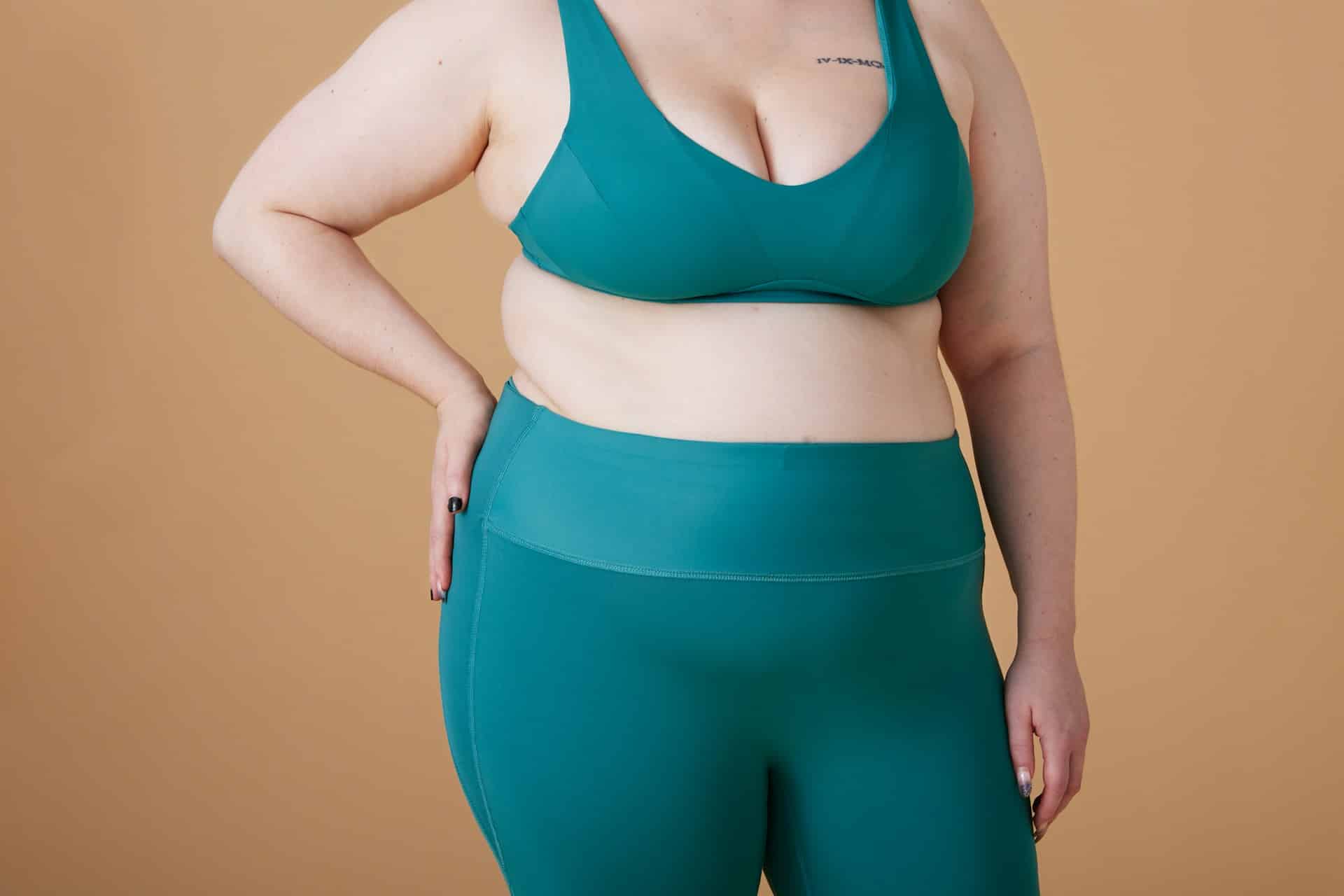
Progress doesn’t always show up on the scale. For anyone looking to shape or sculpt their body non-invasively, tracking how the body changes over time plays a big part in staying motivated. Taking regular body measurements helps you see exactly where improvements are happening, even before clothes start to fit differently. It gives you something real to compare from one week to the next instead of relying on memory or how you feel.
Zerona Z6 offers a way to begin a fat loss journey without surgery or downtime. But results can be subtle at first, which is why measuring change is a smart step. By focusing on inches lost and noticing how your body feels over time, you’re more likely to stick with a plan and appreciate the small wins that build toward bigger results. Whether you’re starting treatment for the first time or have already completed a few rounds, consistently tracking your measurements gives the process direction and keeps you motivated.
Why Body Measurements Matter More Than the Scale
Weight is just a number. It doesn’t explain how your shape is changing, where you might be losing inches, or if you’re developing lean body composition. Many people get caught up in what the scale says, but that number doesn’t give the full picture. You could drop a couple of clothing sizes and see very little difference in your weight.
That’s where body measurements come into play.
– You get focused insight. Instead of guessing, you’ll be able to tell exactly where change is happening.
– They help show progress you might otherwise miss. You may not notice your thighs getting slimmer until you take a measurement.
– Scale numbers can go up or down for lots of reasons. Measurements usually show more consistent long-term change.
– Seeing real improvements with a tape measure can be a major motivator. It confirms that your efforts are making a difference.
Imagine focusing on your waist and hips, then checking your tape after a couple of weeks and seeing your waist is down an inch. Even if the scale hasn’t moved, that’s proof your body is responding.
Body measurements also help shift your focus from hitting a certain weight to enjoying real change in how you look and feel. Fitting better in your favorite jeans or feeling more confident in a certain outfit becomes more rewarding than chasing a number on the scale.
How To Take Body Measurements The Right Way
To get reliable information from your measurements, you need to be consistent each time you take them. There’s no need for fancy tools. A soft measuring tape, a mirror, and maybe even a buddy to help with hard-to-reach areas will do the trick.
Here’s how to take accurate body measurements step by step:
1. Measure directly on bare skin or wear the same fitted clothes each time.
2. Stand up straight and breathe normally. Avoid pulling in your stomach or flexing.
3. Wrap the tape snugly around the area. It should feel secure but not tight or digging into the skin.
4. Measure at the same time of day, preferably in the morning before you eat or drink.
5. Record your numbers immediately in an app or notebook so you can monitor changes over time.
Focus on tracking these main areas:
– Waist: Measure around the slimmest part of your midsection, usually near your belly button.
– Hips: Wrap the tape around the widest part of your hips and glutes.
– Thighs: Measure the fullest part of one thigh, a few inches below the hip.
– Arms: Measure around the biceps while your arm is relaxed by your side.
You can include other areas like the chest, bust, calves, or neck if those are part of your goals. What matters most is doing it the same way each time, so you get a true picture of your progress.
Tools to Track Your Progress
Once you’ve taken your measurements, you’ll want to keep them organized so you can track progress over time. Whether you prefer digital tools or pen and paper, what matters is picking the method you’ll stick to long term.
Here are a few useful options:
– Measuring Tape: A classic soft measuring tape gives you everything you need. Keep the same one on hand for consistency.
– Progress Journal: Use a small notebook to log your numbers, add dates, and maybe jot down a few notes on how you felt each day.
– Measurement Apps: Several apps let you track inches lost, chart your progress, and set reminders to retake your measurements.
– Spreadsheets: If you like visuals, using spreadsheets like Excel or Google Sheets can let you create tables and graphs to pinpoint trends.
Stick with whatever tool matches your style. You don’t need anything complex. The goal is to be able to look back and say, “Here’s where I started, and here’s what’s changed.”
Set a schedule that fits into your routine. Weekly or biweekly measurements tend to work well. Monthly checks are great, too, if you’re more focused on long-term change. Avoid measuring too often, since small day-to-day shifts can play tricks on your confidence. Let your body reflect the changes over time.
Setting Realistic Goals and Reaching Milestones
Big goals sound exciting, but they sometimes set you up to feel disappointed if progress comes slower than expected. That’s why realistic goals work better. They give you direction without making you feel overwhelmed.
Start with one clear, achievable goal—like trimming two inches off your waist. Then break that bigger goal into smaller pieces. Maybe your first step is tracking your waist every week or focusing on one healthy habit that supports change in that area.
– Choose one measurement area to focus on
– Keep your tracking routine consistent
– Celebrate every change, even tiny ones like a quarter inch
Every little bit of progress means that your effort is working. If your original goal stops fitting your lifestyle or priorities change, it’s fine to course correct. Pull out your measurements, think about what feels realistic now, and make updates.
It also helps to focus on how you feel, not just how you look. Maybe your goal is to have more energy throughout the day or to sleep better. These kinds of wins are just as meaningful as seeing the tape shift.
Let Progress Keep You Going
Motivation comes and goes. Some days you’re ready to take on the world, and others you might not feel like measuring or tracking anything. That’s normal. Those consistent records of change—even when small—become reminders to keep going when your energy dips.
One smart idea is to pair body measurements with progress photos. Even if the numbers hold steady, photos might show posture changes, a more sculpted waist, or other subtle shifts. Snapshot comparisons from month to month are much more helpful than daily ones.
You don’t need big rewards every time you reach a goal. Small wins matter. That could be writing down what you’re proud of or just pausing to appreciate your progress. Motivation often builds from little moments of pride, so make time for them.
Keep it steady and simple. Measured progress gives you something solid to count on when it feels like change is slow. All those minor improvements will add up—and when they do, they bring results you can feel and see. Stick with your plan, trust the process, and let your own measurements tell your story.
Tracking your progress is a great way to stay motivated throughout your body contouring journey. As you focus on realistic goals and celebrate the milestones along the way, consistent effort leads to lasting changes. To learn how Zerona can support your transformation, explore the benefits of Zerona non-invasive body contouring and take the next step toward feeling your best.