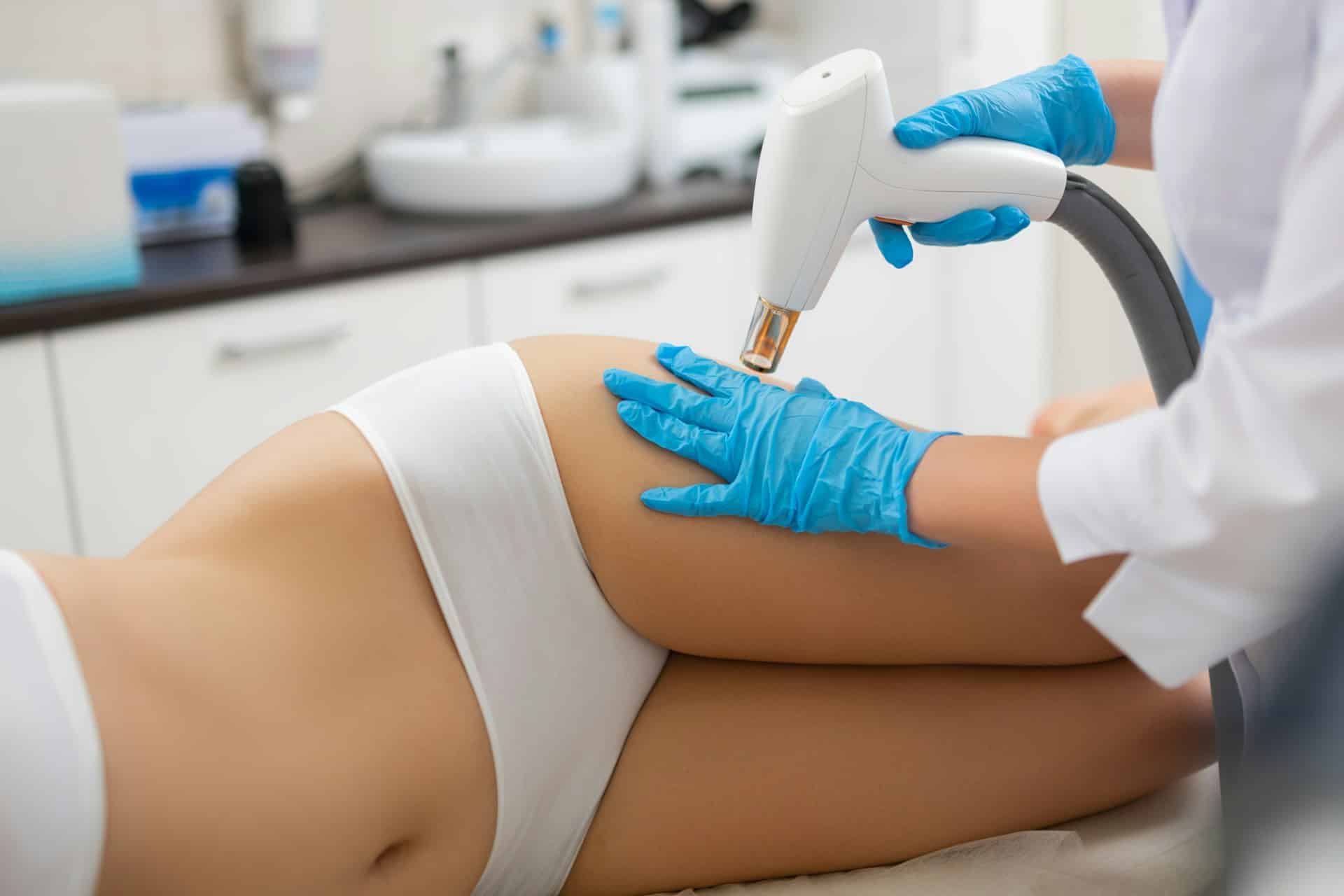
More people are looking into fat reduction options that skip the downtime and discomfort that often come with surgery. As we head into the new year, healthy routines are back on the radar, and interest in simpler, lower-effort body-shaping methods tends to grow. Non invasive laser surgery is one of those approaches that sounds high-tech but runs on a simple idea, supporting fat loss using laser energy without any cutting or recovery time.
Before jumping in, it helps to prepare for your first consultation with a few solid questions. These early details give you a better picture of how the process fits into your life and what kind of support to expect along the way. That way, you can move ahead with more clarity and fewer surprises.
What Does Non-Invasive Laser Surgery Actually Do?
Non invasive laser surgery uses low-level laser energy to target fat cells under the skin without breaking the surface. During treatment, the laser energy prompts fat cells to temporarily release their contents. This kick-starts a natural process in your body that can gradually reduce fat in treated areas over time.
Unlike surgical procedures that involve anesthesia or tissue removal, this option is non-invasive. That usually means there’s no cutting, no stitches, and no need for recovery time at home. Most people return to their day immediately after a session.
It’s also helpful to keep timing in mind. Many non-invasive options, including cold laser treatments, create results over a series of visits. Changes tend to show slowly rather than right away, which is a big difference from procedures that promise same-day results.
What Should I Ask About Before My First Visit?
Walking into your first consultation with a list of questions can make the whole process smoother and help you decide if it’s a good match. Here are a few ideas to get you started:
• How does this technology work, and what should I expect during an average session?
• Are there any side effects I should know about, and how long do they usually last?
• Is there any recovery time, or can I get back to my day right after?
• How many appointments will I need before I start noticing results?
These are all normal questions that providers expect, so there’s no need to feel shy about asking them. The answers can help give you more realistic expectations and keep things from feeling overwhelming.
How Do I Know If This Fits My Schedule and Comfort Level?
One of the biggest reasons people explore non-invasive options is because they have less time to spare during the week. So it’s helpful to find out how treatment fits into your days. You might ask:
• How long is each appointment, start to finish?
• Will I feel anything during the session, or is it more of a hands-off process?
• Do I need to plan for extra time before or after, even if there’s no official downtime?
Some methods feel more active, while others are more passive. That all depends on the technology used and what makes you feel most comfortable. If you’re juggling work, caregiving, or other obligations, knowing that up front can help you make a plan you can stick to.
What Kind of Support Will I Have During the Process?
Support doesn’t stop after the first visit. You’ll want to know who’s available to answer questions and if there’s guidance between sessions to help you stay on track.
• Will someone review each step with me during the consultation so I understand what’s coming?
• Will I get any tips or check-ins between sessions to help me stay consistent?
• If I have a question afterward, how do I reach someone who can answer it?
None of these questions are too small. Having a plan and knowing someone is available if you need help can make the experience feel more approachable from the start.
Is There Anything I Should Do Before or After Each Appointment?
You don’t need to turn your life upside down to fit this kind of treatment into your week. But it’s helpful to know if a few small changes could support your results. Ask about:
• Whether you should avoid caffeine or certain skincare routines before your session
• If drinking more water helps support results afterward
• Whether light movement or rest is better after each visit
Most people can go straight back to work, errands, or relaxing at home after a session. But knowing those small to-dos ahead of time keeps the rest of your day running smoothly.
Making the Most of Your Consultation
Going into a consultation with a few questions already in mind can help you feel more prepared and confident. When you understand how the process works, what time it takes, and whether it feels like a good fit for your lifestyle, you’re in a stronger place to make thoughtful decisions.
The Zerona Z6 was the first device cleared by the FDA for non-invasive overall body circumference reduction, showing its commitment to safety and innovation. Each session is designed to let you return immediately to daily life, so there’s no required downtime or recovery period. Sessions are guided by trained professionals focused on comfort and transparency, matching the process to your personal preferences.
Related FAQs
• What should I do to get ready before my first laser treatment?
• Will I be able to return to work after the session?
• How does non invasive laser surgery feel during the appointment?
• Do I need to change my eating or exercise habits to get results?
• How long are each of the treatments typically?
• When do most people start seeing a difference?
At Zerona, we understand how valuable it is to have clear answers before starting something new. If you’re curious about how a low-impact, laser-based approach could fit into your daily routine, we’re here to guide you every step of the way. Our process is centered on comfort, timing, and support that aligns with your lifestyle. Learn more about what to expect from non invasive laser surgery on our website, and reach out any time with questions or to discuss your next steps.